

Estimated Ship Date
For the last few years, electric vehicles have mostly existed in their own lane. EV buyers compared Teslas to other Teslas. The rest of the automotive world kept buying trucks, body-on-frame SUVs, and gas crossovers without thinking much about it.
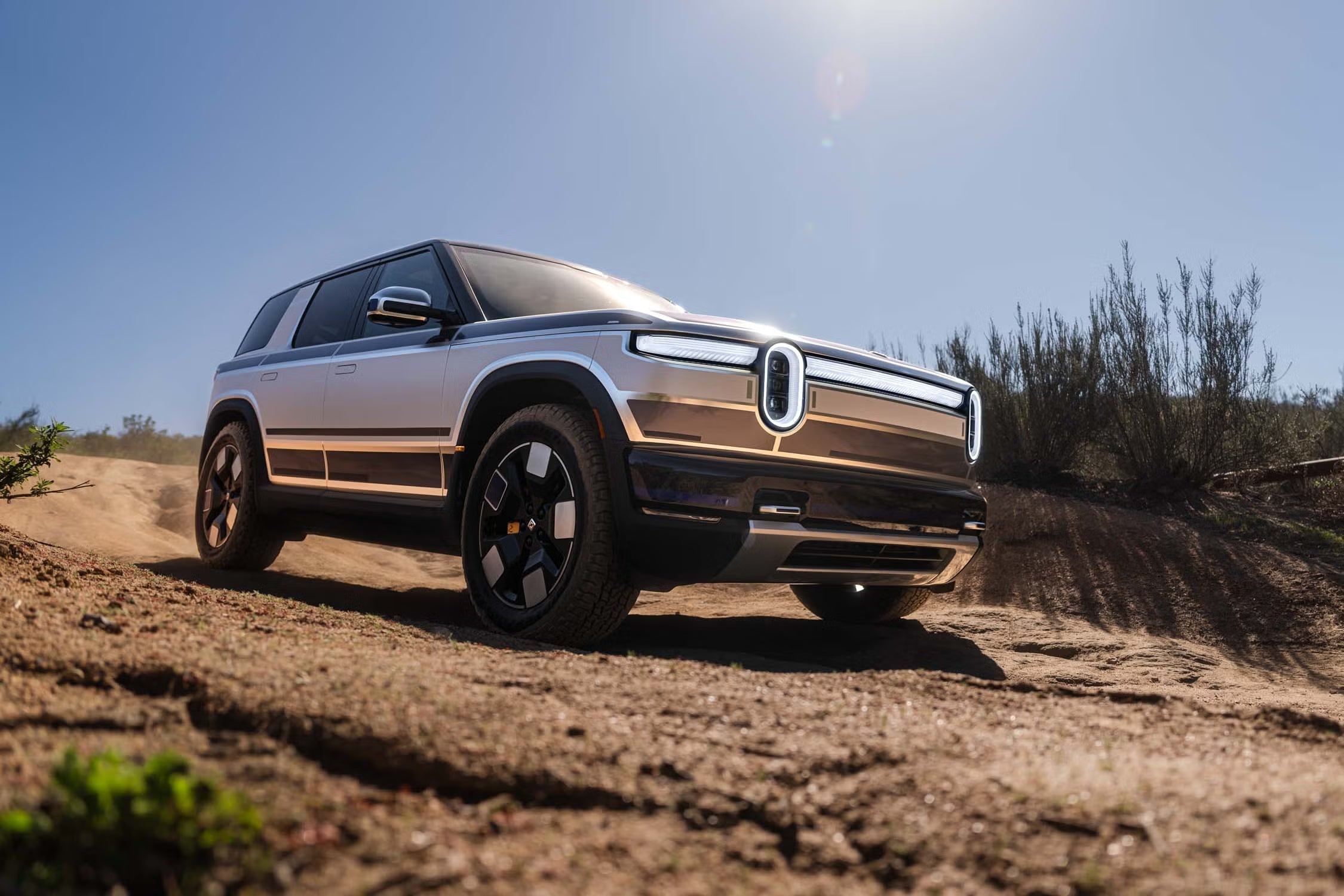
The Rivian R2 might be the vehicle that changes that dynamic.
When Rivian pulled the covers off the R2, it wasn’t positioned as another luxury EV experiment like the larger R1T and R1S. Instead, the company made it clear: this is the Rivian designed for the mass market. With a projected starting price around $45,000 and more than 300 miles of range, the R2 lands right in the middle of the most competitive SUV segment in America.
But what makes the R2 interesting isn’t just that it competes with other EVs like the Tesla Model Y or Mustang Mach-E. The bigger story is that it’s stepping directly into territory long dominated by gasoline crossovers.
In other words, the R2 isn’t just competing with electric vehicles.
It’s competing with the SUVs most people already drive.

Rivian built its reputation on adventure-focused electric vehicles. The R1T pickup and R1S SUV proved an EV could still be rugged, capable, and designed for people who actually use their vehicles outside of paved parking lots.
But those vehicles are.... expensive.
The R2 changes that.
Dimensionally, it lands squarely in the compact SUV segment. At roughly 185 inches long, it’s almost identical in footprint to popular crossovers like the Tesla Model Y and other mid-size utility vehicles.
That puts it right in the sweet spot of the American market. The same segment occupied by vehicles people buy every day to commute, haul kids, and take weekend trips.
And that’s exactly the point.
Instead of building a niche EV, Rivian built something designed to sit in the same driveway as a CR-V, a Bronco Sport, or a Toyota RAV4.
Naturally, the R2 will go head-to-head with the current wave of electric crossovers.
The obvious rivals include:
Tesla Model Y
Ford Mustang Mach-E
Hyundai Ioniq 5
Chevrolet Blazer EV
These vehicles already dominate the electric crossover space, and Rivian is clearly targeting that same buyer pool.
But that comparison misses something important.
Most people shopping for a $40-50k SUV aren’t choosing between five EVs.
They’re choosing between gas and electric.
Look at the size, price, and capability of the R2 and a different set of competitors appears. These are the vehicles that millions of Americans buy every year.
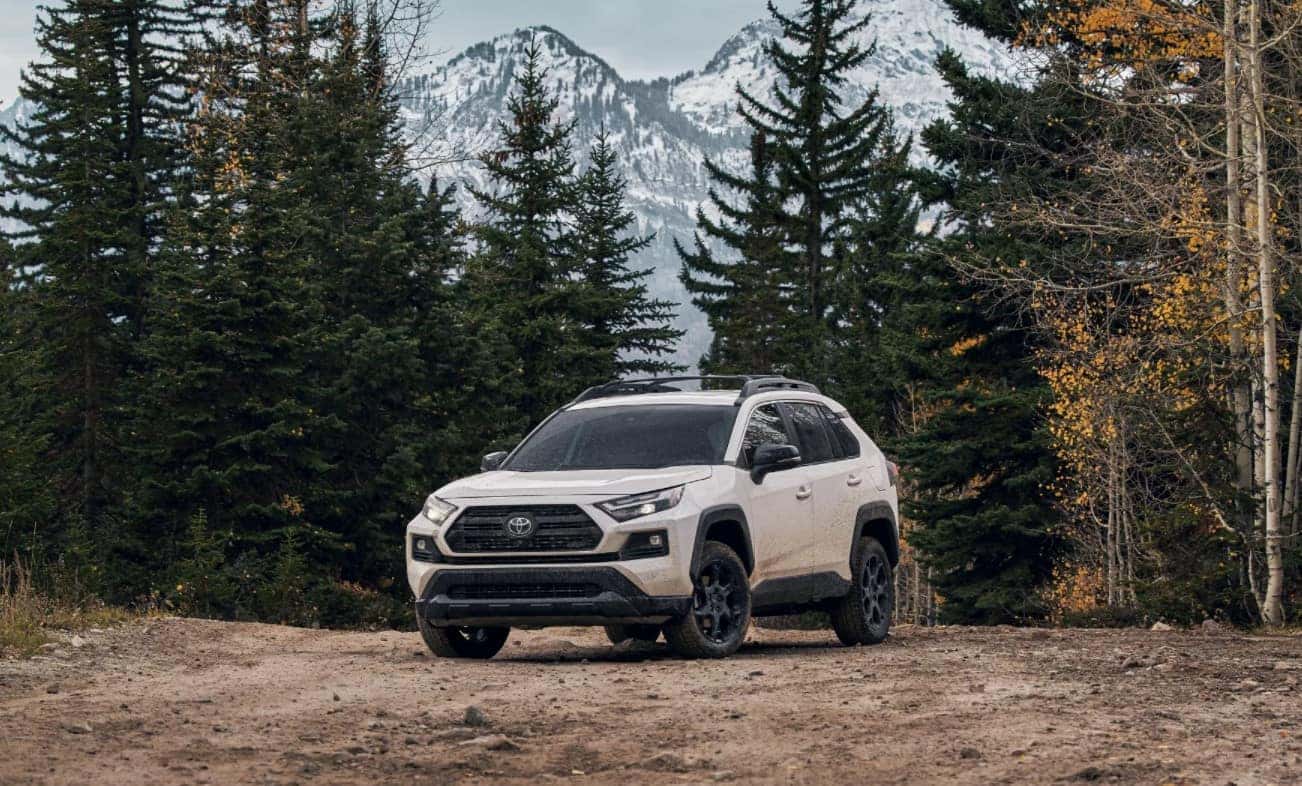
The Toyota RAV4 has quietly become one of the best-selling vehicles in the United States. It’s reliable, practical, and priced right in the range where many R2 buyers will be shopping.
For someone already considering a RAV4 Hybrid or Prime, the leap to an EV like the R2 suddenly doesn’t look so extreme.
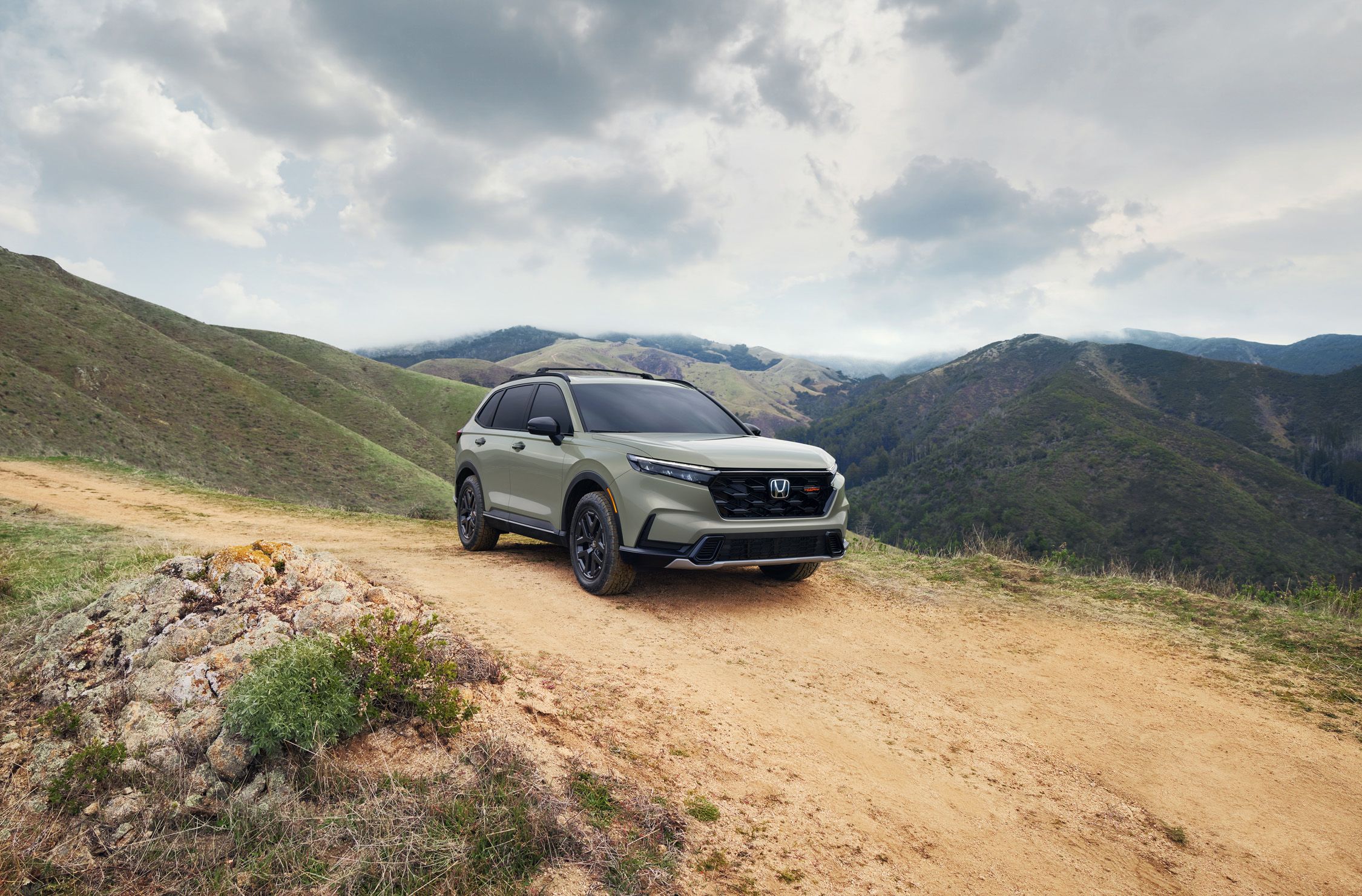
The CR-V is the benchmark for everyday usability. It’s roomy, efficient, and easy to live with.
The R2 is nearly identical in physical size, which means buyers cross-shopping these two vehicles will mostly be deciding between gas convenience and electric technology.
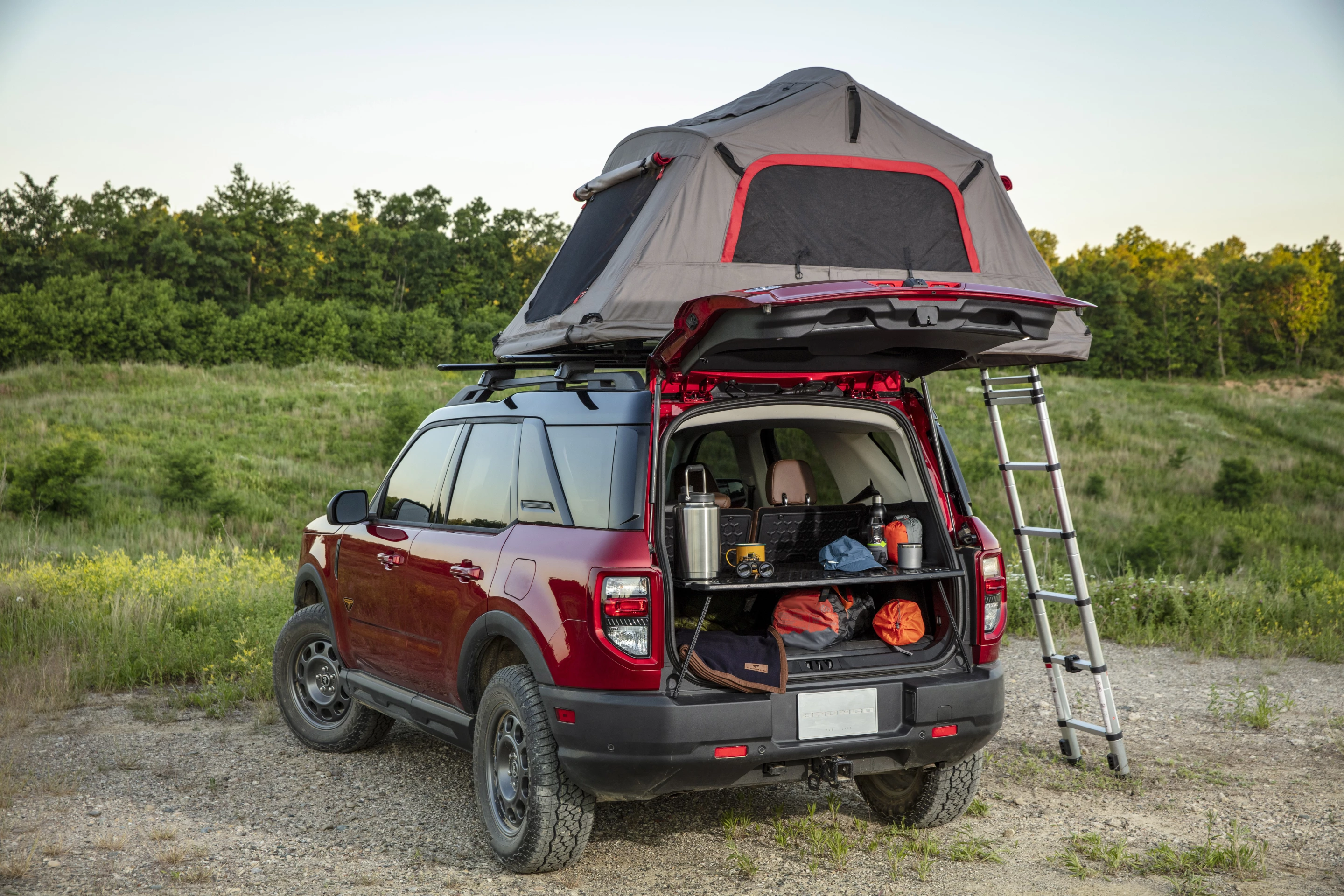
This is where the R2 may have an edge.
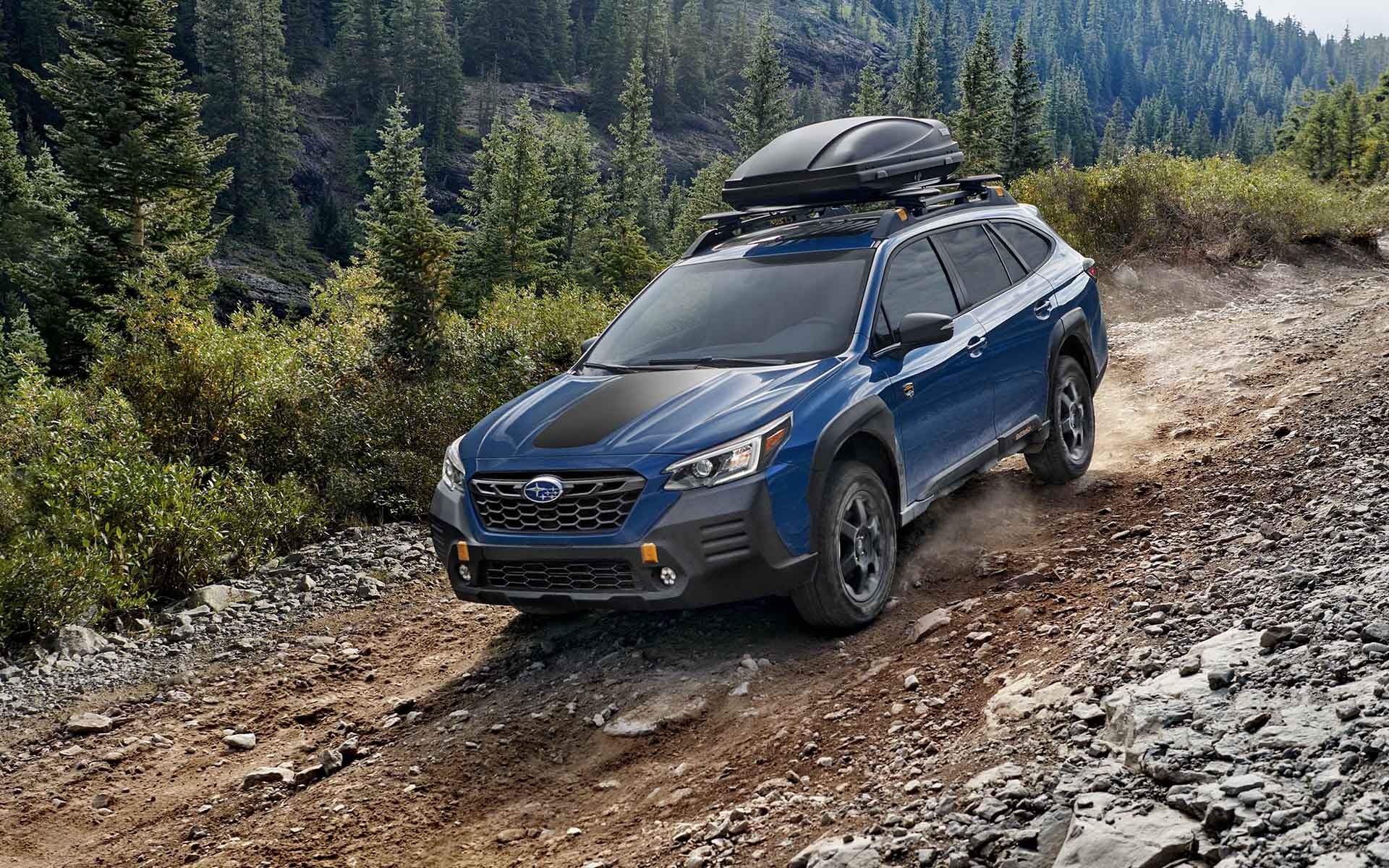
Rivian’s entire brand is built around adventure, and the R2 continues that theme. With off-road capability, strong ground clearance, and an outdoors-focused design philosophy, it will likely appeal to the same crowd considering a Bronco Sport or Subaru.
It might sound surprising, but Rivian has already proven its vehicles attract buyers who previously drove Wranglers.
Electric torque, off-road traction control, and over-the-air updates bring a new kind of capability to the trail. For some buyers, the idea of a quiet electric trail rig is becoming more appealing than a traditional gas off-roader.

Adventure lifestyle vehicles are Subaru’s territory. The Outback dominates that market.
But the Rivian brand speaks to the same outdoor-focused buyer, just with a more modern and premium feel.
The R2 is important because it’s not just another electric SUV.
It represents a shift in how EVs compete.
For years, EVs had to justify themselves. They were either expensive luxury tech experiments (Lucid air, Hummer EV) or economy commuter cars designed around efficiency (Nissan Leaf).
The R2 sits in a different place entirely.
It’s an adventure-focused, mid-priced SUV designed for normal buyers.
And that means its real competition isn’t just Tesla.
It’s every gas crossover in the parking lot.
One of the biggest barriers for EV adoption has always been capability.
Truck and SUV buyers care about things like:
cargo space
durability
outdoor capability
towing
real-world usability
Rivian understands that audience.
That’s why even the smaller R2 is expected to maintain the brand’s rugged design language and trail-ready engineering. Ground clearance approaching 10 inches already hints that Rivian is serious about maintaining real off-road capability.
That’s not typical for vehicles in this class.
And it’s exactly why enthusiasts are paying attention.
For companies like us at BuiltRight Industries, vehicles like the R2 signal something interesting.
Adventure vehicles are evolving.
The future trailhead parking lot might include:
diesel trucks
gas overland rigs
hybrid SUVs
electric adventure vehicles
The gear still matters.
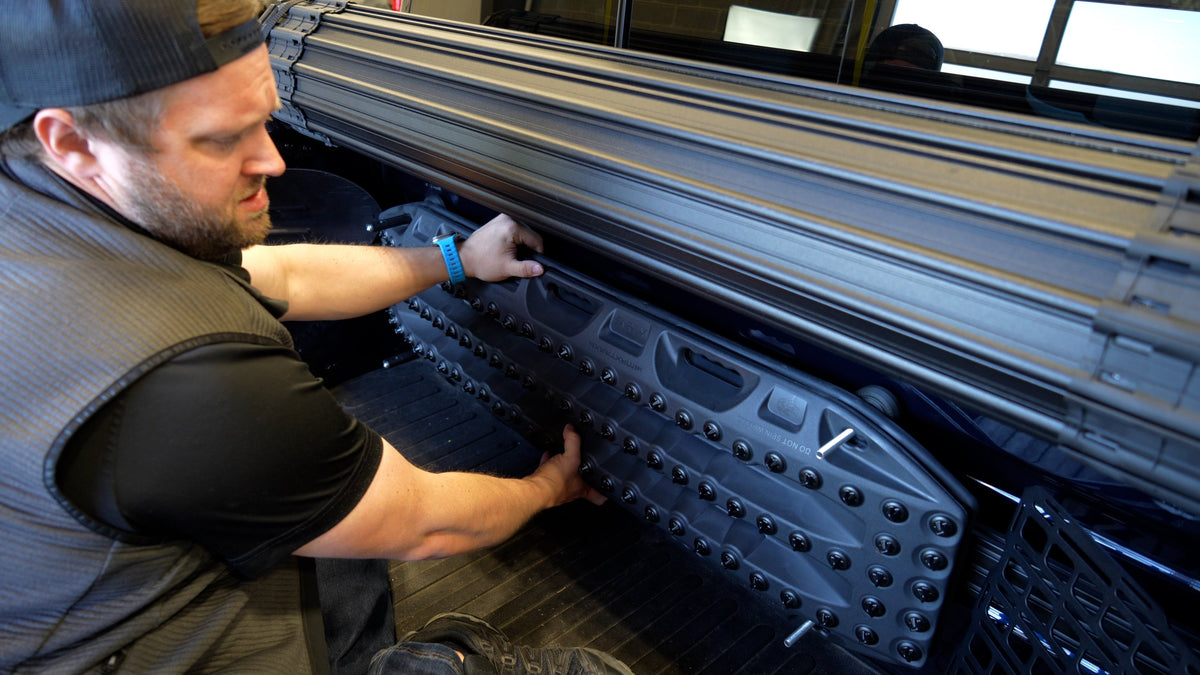
Organization, mounting solutions, recovery gear, and smart storage will still be essential whether the vehicle runs on gasoline or electrons.
Adventure culture doesn’t disappear when powertrains change, It just adapts.

The Rivian R2 might not replace gas SUVs overnight.
But it doesn’t have to.
If Rivian succeeds, the R2 will do something more important. It will normalize electric SUVs in the same segment where millions of gas vehicles already sell every year.
And once that happens, the conversation changes.
Instead of asking:
“Should I buy an EV?”
Buyers start asking:
“Which SUV do I want?”
That’s when the real competition begins.
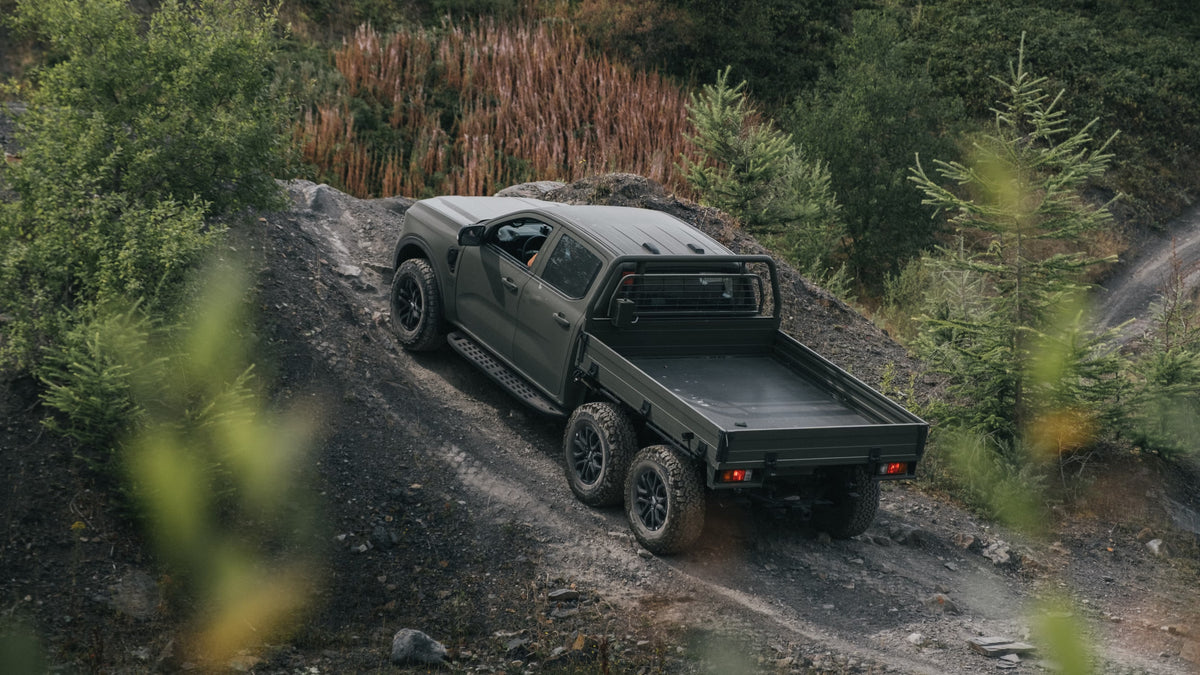
The Last Diesel Half-Ton Standing: Why the Silverado 3.0 Duramax Matters More Than Ever
BuiltRight Industries Hits the Road This Weekend