

Estimated Ship Date
If you’ve been keeping an eye on Scout Motors, you’ve probably noticed things aren’t moving quite as fast as they first made it sound (but do they ever with automotive startups?).
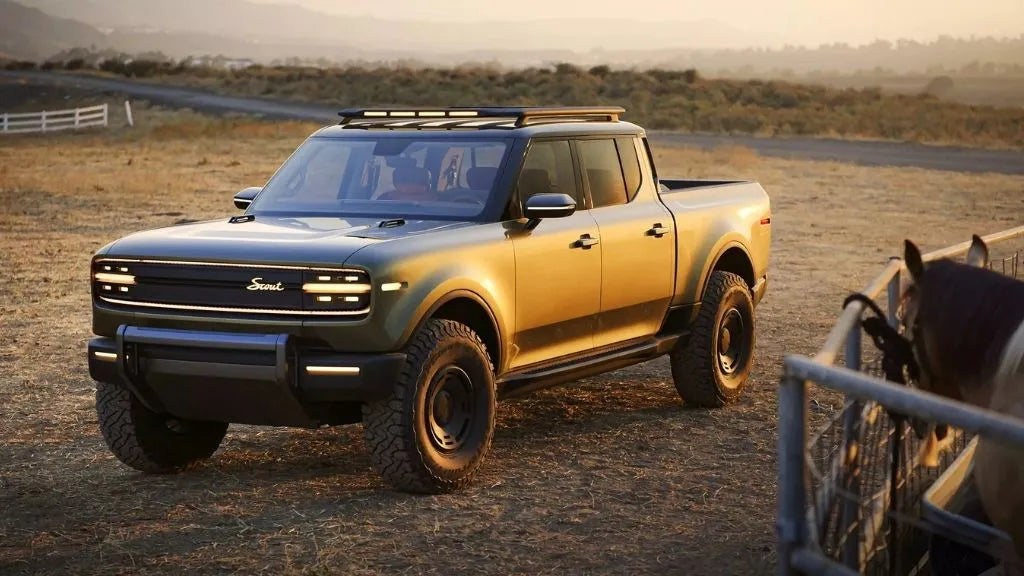
When Scout first came back, it hit all the right points. A modern take on the old International Harvester Scout, built as a legit body-on-frame SUV and pickup, designed to actually be used like a truck. Not just another EV trying to look rugged.
That got a lot of people interested pretty quickly.
Now we’re starting to see the timeline streeeeetch a bit.

Officially, Scout is still saying production kicks off in 2027 with deliveries in 2028. That hasn’t changed.
But if you follow the industry chatter at all, it’s pretty clear things are slipping behind that a little. The SUV is sounding more like a late-2028 thing, and the pickup could land even further out than that.
Nothing crazy, but definitely not the “right around the corner” vibe they started with.
The truck itself isn’t really the issue.
It’s everything underneath it.
Scout isn’t just building a normal EV. They’re trying to do this extended-range setup where it drives like an EV but has a gas generator onboard to keep it going when the battery runs down.
Which, if you’re someone who actually uses a truck, makes a lot of sense. You get electric driving most of the time without the stress of running out of range when you’re towing or out in the middle of nowhere.
The problem is that setup is proving to be harder to pull off than it sounds.
You’re basically combining two powertrains into one platform while still trying to keep it durable, tow-capable, and not insanely heavy. Then you layer in software, cooling, packaging, all of it.
That’s where the delays are coming from.
And with Volkswagen involved, plus their tie-in with Rivian on the tech side, you know they’re not going to rush something half-baked out the door.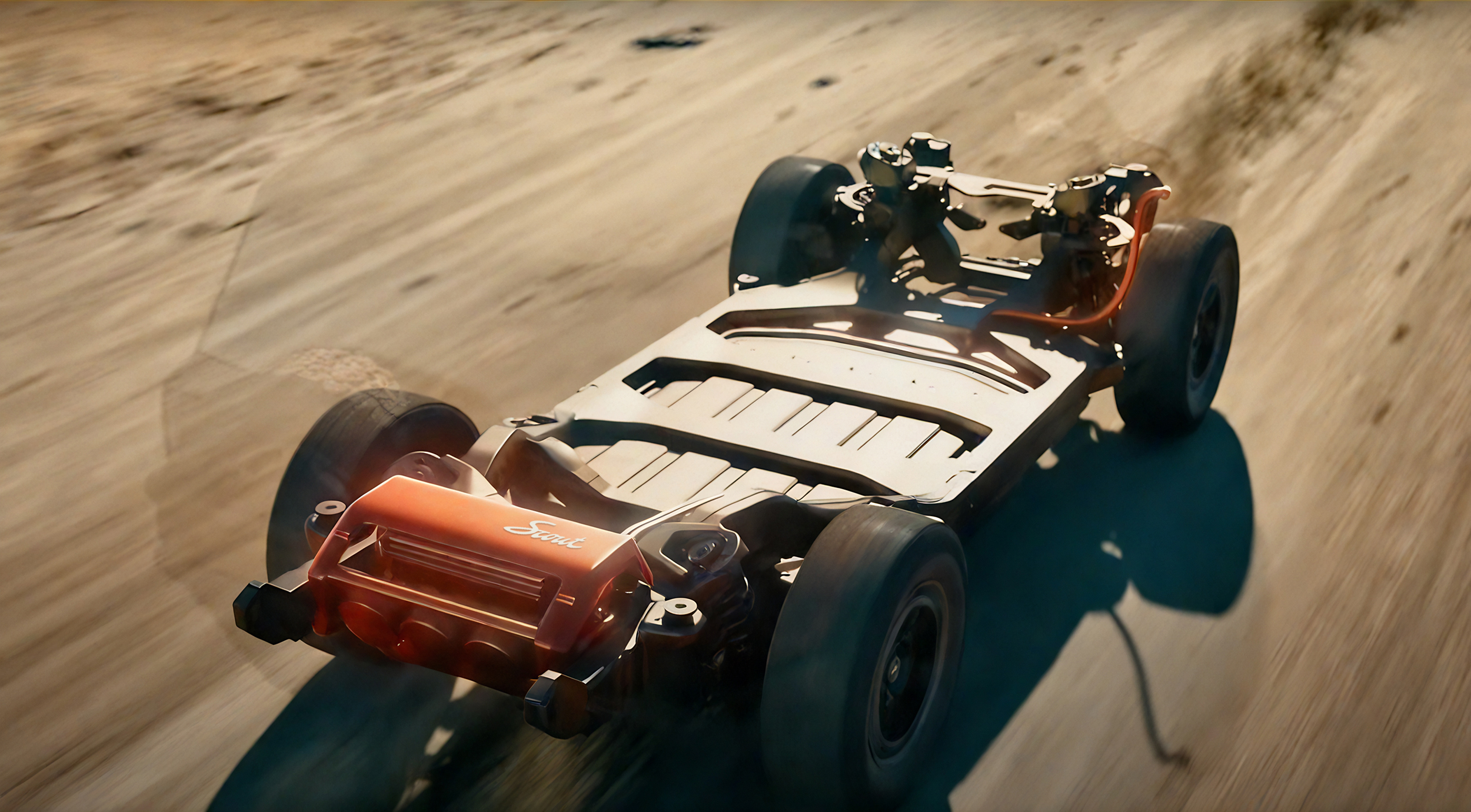
While Scout is figuring that out, the rest of the truck world isn’t slowing down.
Stellantis is leaning into hybrid tech without overcomplicating things, but we'll see how that lasts.
And Rivian already has trucks on the road, learning and improving in real time.
So by the time Scout actually lands, it’s stepping into a much more developed playing field than when it was first announced.
Delays always sound worse than they actually are.
In this case, it mostly just feels like reality catching up with a pretty ambitious plan.
If Scout rushed it, people would immediately notice. Especially truck buyers. That crowd is not forgiving when something doesn’t hold up or doesn’t work the way it should. While most buyers know to expect some quirks with a first generation vehicle from a new company, too many issues out of the gate will push the skeptical parties away, which obviously ain't good for biz.
Taking more time to get it right is probably the smarter move, even if it pushes things out a year or two.
Scout is taking longer than expected. That’s really the story.
Not canceled, not in trouble, just working through a pretty complex build.
If they pull it off, it could be a really solid option for people who want something different from the usual half-ton lineup.
It’s just going to take a little longer to get there.
The BuiltRight "Vibe-Meter"
The Slate Truck Might Be the Weirdest New Vehicle in the Industry Right Now - And That’s Why People Care