

Estimated Ship Date
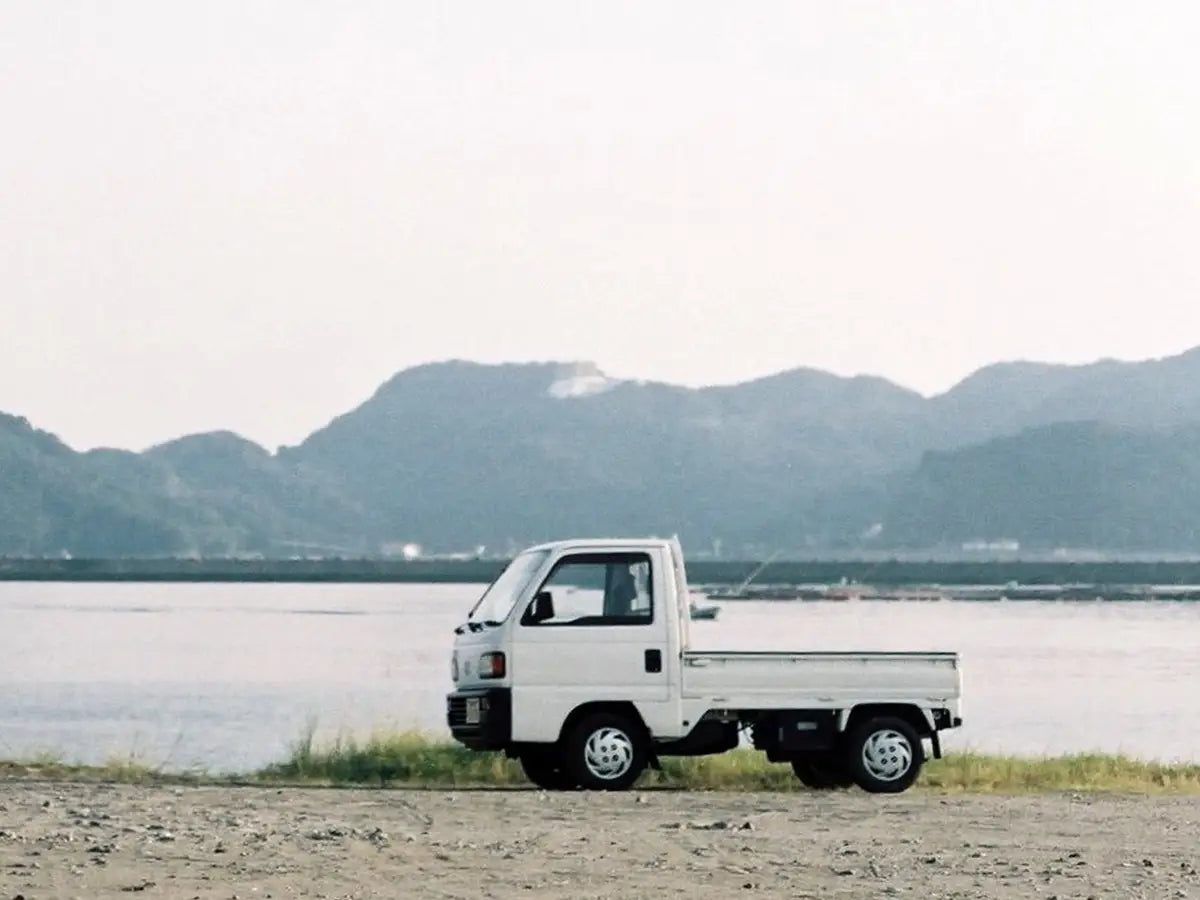
I just got back from a week in Japan, and I’ll be honest, I wasn’t expecting to come home thinking this much about tiny trucks. But here we are.
Somewhere between weaving through narrow side streets, stopping at small shops, and watching work crews effortlessly maneuver vehicles that look like they belong in a toy aisle, it hit me. The Kei truck isn’t just a quirky corner of car culture over there. It’s a completely different philosophy of what a truck is supposed to be.
If you’ve never seen one in person, a Kei truck (Honda Acty, Subaru Sambar, Daihatsu HiJet) feels almost comical at first. They’re small and boxy, the wheels are so small they look like they belong on a 4-wheeler, and the cabs sit upright like they’ve got a job to do and no interest in impressing anyone while doing it. But the more time you spend around them, the more that perception flips. These things are tools in the purest sense. Lightweight, efficient, easy to place exactly where you want them, and built around real-world usability instead of spec sheet bragging rights.
And that’s where the contrast with truck culture in the U.S. really starts to stand out.
Back home, trucks have become something else entirely. Bigger, heavier, more powerful, more luxurious. A modern half-ton can tow more than yesterday’s heavy duty trucks and has a cabin that rivals a luxury SUV. That evolution didn’t happen by accident. It’s driven by consumer demand, wide open roads, long distances, and a lifestyle that often blends work, recreation, and daily driving into one vehicle.
In Japan, it’s almost the opposite. Space is tight. Roads are narrow. Fuel is expensive. Parking is limited. The Kei class exists because it has to. Regulations cap engine size and physical dimensions, which forces manufacturers to get creative within constraints. What you end up with is a vehicle that is purpose-built for efficiency and practicality, not excess.
That difference shapes the entire culture around these trucks.
You’ll see Kei trucks used for everything. Construction, farming, deliveries, small business operations, and yes, even campers. They’re often modified, but not in the way we think about builds in the U.S. It’s less about stance and horsepower and more about making the vehicle better at its job. Tool racks, clever storage solutions, custom beds, lighting setups. It’s function first, always.
That’s the part that really stuck with me. It felt familiar in a way that lines up perfectly with what we think about every day at BuiltRight. The idea that a vehicle should work for you, not the other way around.
Now, naturally, the question comes up. If these things are so practical, why don’t we have them here?
The short answer is regulation, and it’s a big one. The United States has a set of safety and emissions standards that Kei trucks simply don’t meet. They were never designed to. Crash requirements, highway safety expectations, and emissions compliance all create barriers that make it difficult, if not impossible, for manufacturers to sell them here as new vehicles. Will we seen these regulations changing any time toon? Its possible, but I'm not holding my breath.
There’s also the 25-year import rule, which allows older vehicles to be brought into the country without meeting modern standards. That’s why you occasionally see Kei trucks pop up stateside. They’re legal once they hit that age threshold, but even then, their usability can be limited depending on state laws. Some states restrict them from highway use, which makes them more of a niche tool or novelty than a true daily work vehicle.
Then there’s the economic reality. Even if regulations loosened up, it’s not a guarantee they would succeed here. American buyers have been conditioned to expect trucks to do everything. Haul, tow, commute, road trip, and look good doing it. A tiny cab-over truck with a 660cc engine doesn’t exactly check all those boxes for the average buyer.
But that doesn’t mean there’s no place for them.
If anything, spending time around Kei trucks makes you realize there’s a gap in the market. Not everyone needs a full-size truck. Not every job requires a massive footprint. For certain applications, especially in urban environments or for light duty work, something smaller, simpler, and more efficient makes a lot of sense. Its likely the reason trucks like the Maverick are so successful, and others like the Slate Truck have many people signing up to reserve one when they become available.
You can already see hints of that shift happening. Compact trucks are making a comeback. There’s growing interest in right-sized vehicles that prioritize usability over excess. It’s not the same as Kei culture, but it’s at least a step in that direction.
And if there’s one thing enthusiasts are good at, it’s adapting ideas.
Even without widespread availability, Kei trucks are starting to influence how people think about builds here. The focus on efficiency, smart storage, and purpose-driven setups translates perfectly. You don’t need a tiny truck to apply that mindset. You can take those same principles and apply them to a Silverado, a Tacoma, or anything in between.
That’s really the takeaway.
The appeal of Kei trucks isn’t just their size. It’s the intention behind them. Every inch matters. Every modification has a purpose. Nothing is added just for the sake of it.
That kind of thinking doesn’t rely on regulations or geography. It’s universal.
So will we ever see brand new Kei trucks sold widely in the U.S.? Realistically, not anytime soon. The regulatory hurdles are too high, and the market expectations are too different. But that doesn’t mean the influence stops at the border.
If anything, it’s a reminder that bigger isn’t always better. Sometimes the most interesting ideas come from working within constraints. And sometimes, looking at a tiny truck on the other side of the world is enough to make you rethink what your own build could be.
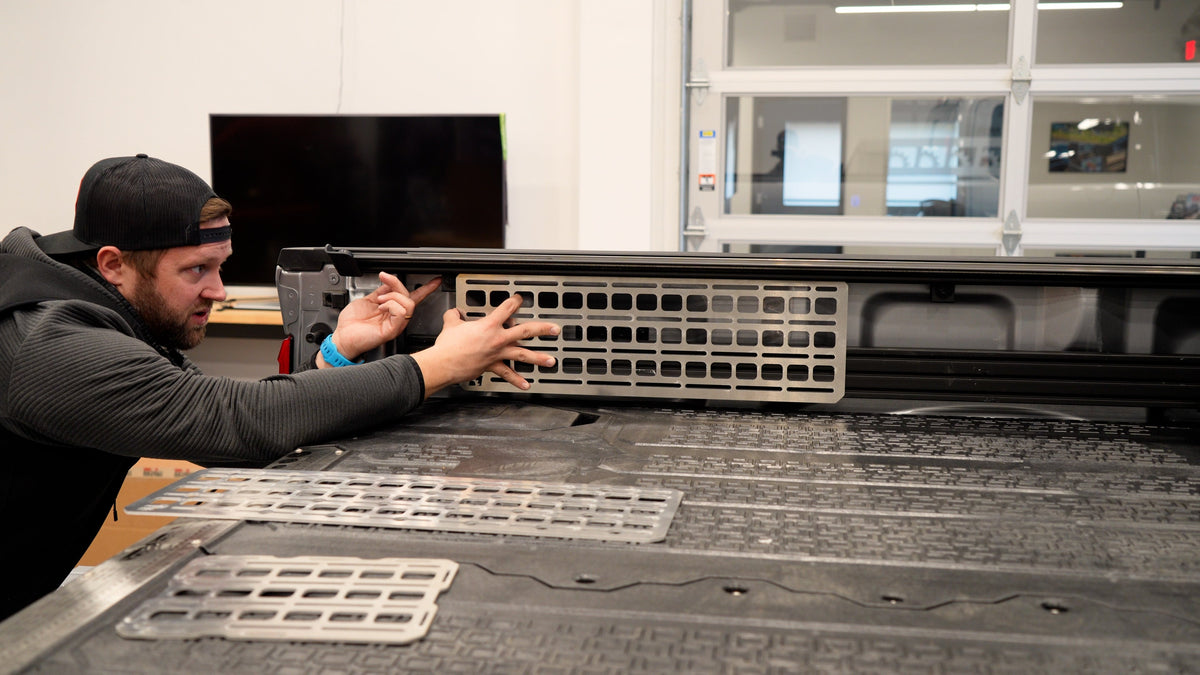

More Storage, Zero Hassle: Inside the Velcro Tech Panel System
The BuiltRight "Vibe-Meter"