

Estimated Ship Date
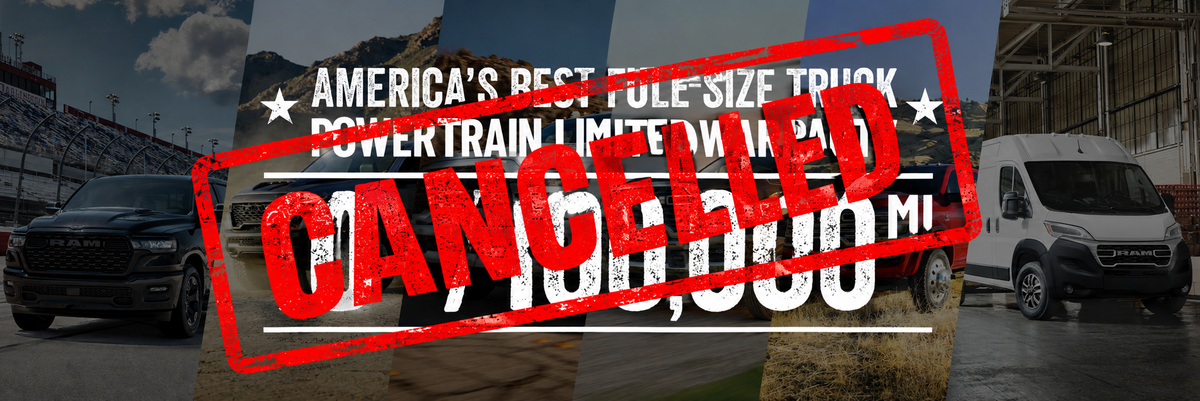
Ram made a pretty big promise to truck buyers in 2025. Starting with the 2026 model year, qualifying Ram trucks would come with a 10-year, 100,000-mile limited powertrain warranty. For a brand trying to win back buyers and rebuild confidence in its lineup, it was a compelling selling point. It also gave Ram an advantage over competing full-size trucks that generally came with five-year powertrain coverage.
Now, that advantage is going away.
For the 2027 model year, Ram is reportedly returning to a five-year, 60,000-mile powertrain warranty across its truck lineup, including the Ram 1500 and heavy-duty 2500 and 3500 models. The change means the 10-year warranty introduced for 2026 will last just one model year before Ram returns to its previous coverage terms.
It's a significant change for anyone shopping for a new truck, especially when prices for well-equipped pickups can push well into six figures.
When Ram announced its extended warranty in June 2025, it was more than a minor adjustment to the fine print. The company was making a clear statement about its confidence in its powertrains while giving customers a tangible reason to consider a Ram over the competition.
The program covered qualifying 2026-model-year Ram trucks and vans, including the Ram 1500, 2500, 3500, RHO, and Power Wagon. Coverage extended to 10 years or 100,000 miles, whichever came first, for the original owner.
That was a substantial increase over the previous standard five-year/60,000-mile gas powertrain warranty.
For 2027, however, the extended program is reportedly ending. According to Pickup Truck + SUV Talk, which reported confirmation from Ram's public relations team, 2027 Ram trucks will return to a five-year/60,000-mile powertrain warranty. The report says this applies to both gasoline and diesel-powered Ram HD trucks, eliminating the longer coverage that diesel buyers traditionally received.
The standard bumper-to-bumper warranty remains three years/36,000 miles.
That distinction matters. The powertrain warranty covers specified major mechanical components, including the engine, transmission, transfer case, driveshafts, differentials, and axles. It doesn't cover every component on the truck, and it doesn't replace comprehensive bumper-to-bumper coverage.
For buyers, the takeaway is simple: the longer warranty that helped distinguish 2026 Ram trucks from their competitors won't be part of the reported 2027 package.
A powertrain warranty isn't the most exciting thing to think about when shopping for a truck. Most buyers would rather compare engine options, towing capacity, suspension setups, interior features, and off-road capability.
But a warranty can make a real difference when something expensive goes wrong.
Modern trucks are complicated machines. Turbochargers, sophisticated transmissions, electronically controlled four-wheel-drive systems, and increasingly complex engine management systems all contribute to their capability. They also mean that certain repairs can become expensive quickly.
A longer warranty provides additional protection against covered mechanical failures during the years when many owners are still making payments on their trucks.
That's particularly relevant as buyers increasingly finance vehicles over longer periods. Someone who takes out a lengthy loan and plans to keep a truck for eight or ten years could benefit considerably from extended powertrain coverage.
Ram's 2026 warranty addressed that concern directly. Its return to five-year coverage for 2027 means buyers will have less factory powertrain protection over the life of the vehicle.
That doesn't automatically mean a 2027 Ram is a worse truck, nor does a shorter warranty prove anything about reliability. Warranty length is a business decision, not a definitive measure of how long an engine or transmission will last.
Still, when two trucks have similar capabilities and prices, the amount of coverage offered by the manufacturer is worth considering.
If you're shopping for a new Ram, the model-year change creates an interesting decision.
According to the published reporting, qualifying 2026 trucks retain the 10-year/100,000-mile warranty for their original owners, while 2027 models return to the shorter standard warranty. That makes remaining 2026 inventory worth a closer look.
Of course, a longer warranty doesn't automatically make an older model year the better deal. Pricing, available equipment, engine options, financing, incentives, and your intended use should all factor into the decision.
But if a 2026 and a 2027 truck are similarly equipped and priced, the warranty difference could be meaningful.
Consider two buyers purchasing otherwise comparable new Ram 1500s. One buys a 2026 model with the extended coverage. The other orders a 2027 model with the standard five-year warranty. Both plan to keep their trucks for eight years.
Assuming both vehicles qualify for their respective warranties and the owners comply with the terms, the first buyer has substantially more time with extended powertrain protection. The second will be responsible for covered powertrain repairs that occur outside the factory warranty period.
That's not a guarantee that the first buyer will save money. Neither truck may ever need a major repair. But the additional coverage provides a form of financial protection that the newer model reportedly won't offer.
Anyone considering a leftover 2026 should confirm the warranty terms in writing before purchasing. The extended program has specific eligibility requirements, and the details matter.
Even the 2026 program has an important limitation that used-truck buyers should understand.
Ram's 10-year/100,000-mile extension applies to the original owner of qualifying 2026-model-year vehicles. If the truck is sold, subsequent owners receive the standard powertrain warranty coverage instead: five years/60,000 miles for gasoline engines and five years/100,000 miles for diesel engines, subject to the applicable terms.
That means the advertised 10-year warranty isn't a benefit that automatically follows the truck through multiple owners.
For someone purchasing a new truck and keeping it for a decade, the extended coverage could be valuable. For someone who trades trucks every few years, its value may be less straightforward. And for someone buying a used 2026 Ram, it's important not to assume the original owner's extended coverage comes with the vehicle.
The 2027 change makes that distinction even more relevant. Buyers will need to consider both the model year and the ownership history when evaluating warranty coverage.
It also raises a broader question about how much weight consumers should give a warranty advertised as a major selling point when that program is short-lived or restricted to the original owner.
For truck enthusiasts, factory warranty coverage is only one part of the ownership equation.
A lot of owners don't leave their trucks stock. Larger tires, suspension upgrades, aftermarket bumpers, lighting, recovery equipment, and storage systems are all common additions. Some builds go much further with engine upgrades, forced induction, or extensive suspension modifications.
The good news is that installing aftermarket parts doesn't automatically void an entire vehicle warranty under U.S. law. However, a manufacturer can deny coverage for a particular repair when a modification or aftermarket component caused or contributed to the failure, subject to applicable law and the written warranty terms.
That's why it's important to understand the potential implications before modifying a new truck.
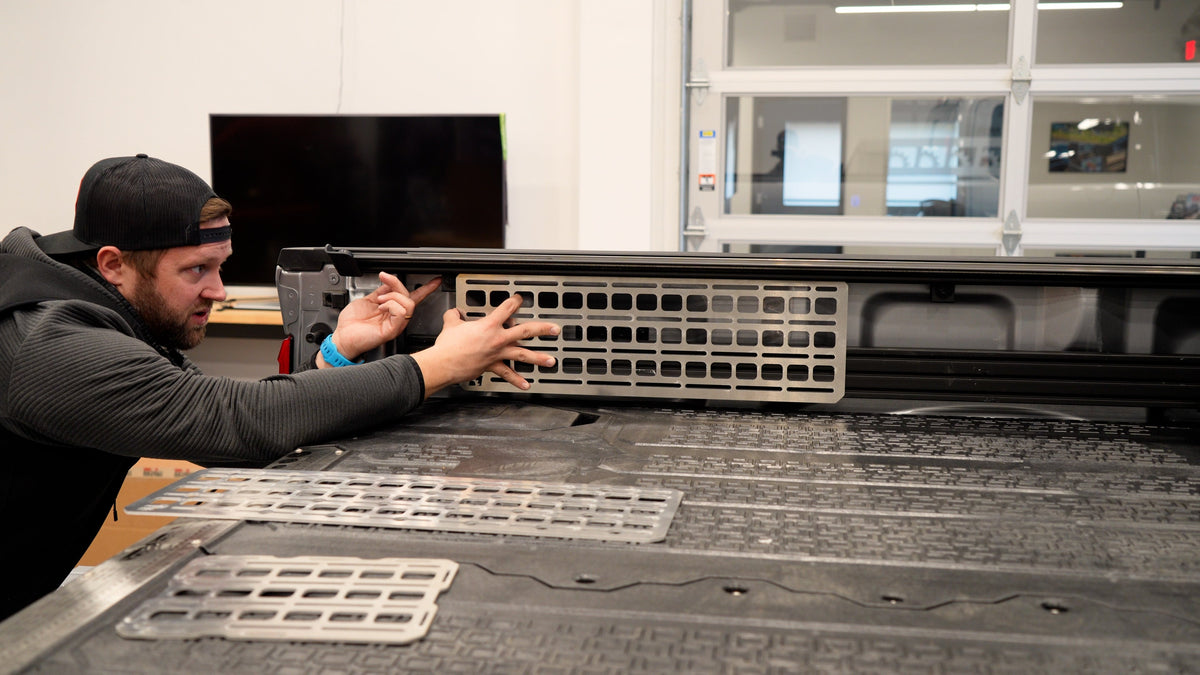
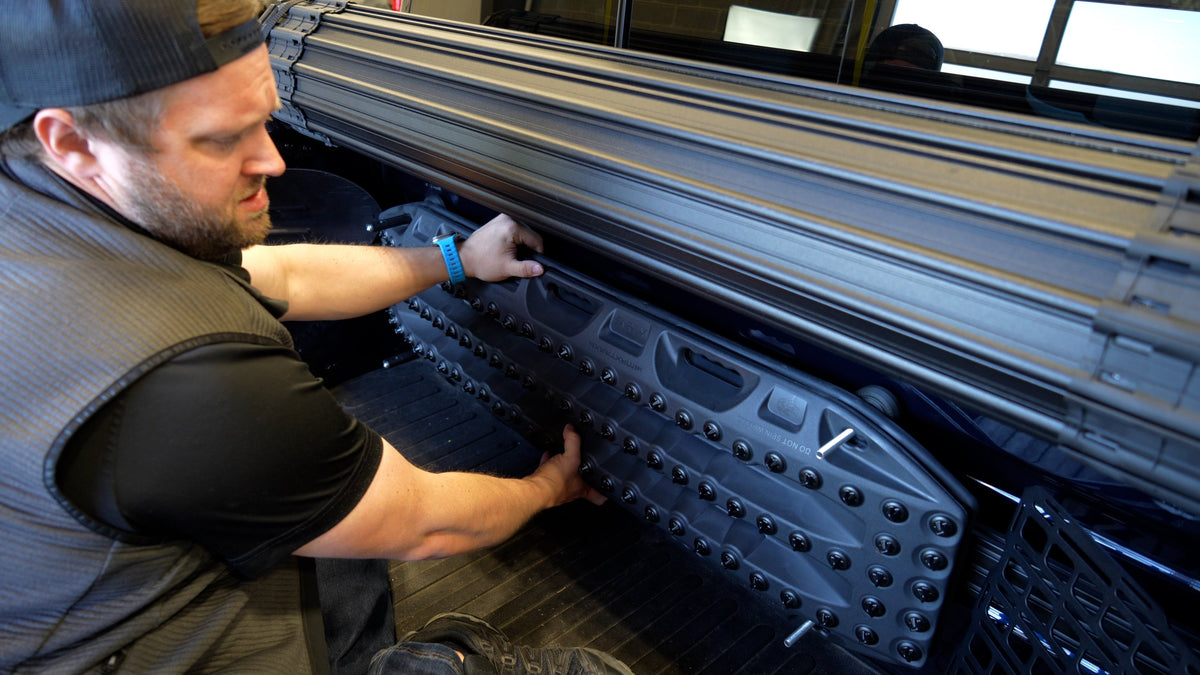
At BuiltRight Industries, we believe truck accessories should make a vehicle more useful without getting in the way of how owners actually use it. Whether you're setting up a truck for work, overlanding, camping, or everyday driving, thoughtful upgrades can help you get more out of the vehicle you already own.
Storage and organization upgrades are a different proposition from major powertrain or suspension changes, but every owner should understand the warranty terms that apply to their vehicle and keep records of maintenance and modifications.
A shorter factory powertrain warranty doesn't mean you shouldn't build your truck. It does make understanding your coverage and planning for long-term ownership more important.
Not necessarily.
It's tempting to interpret a manufacturer pulling back warranty coverage as a sign that it doesn't trust its own products. But warranty programs are influenced by several factors, including repair costs, claims experience, competitive positioning, and the expense of providing coverage.
Without a clear explanation from Ram about why the extended program is ending, it's not possible to say exactly what drove the decision.
What we can say is that the warranty was a significant part of Ram's pitch for the 2026 model year. Its reported removal for 2027 takes away one of the brand's more notable advantages over competing pickups.
It also illustrates why buyers shouldn't make a purchase decision based on a single headline number. Warranty coverage is one consideration alongside reliability history, maintenance costs, parts availability, resale value, capability, and price.
A five-year warranty doesn't tell you how long a truck will last. Neither does a 10-year warranty guarantee trouble-free ownership. The value is in the protection offered when a covered failure occurs.
Ram's 10-year/100,000-mile powertrain warranty was a meaningful selling point for the 2026 model year. Its reported return to a five-year/60,000-mile warranty for 2027 brings Ram back in line with much of the competition for gasoline-powered trucks, while reportedly removing the longer diesel powertrain coverage as well.
For buyers, the change is worth knowing before heading to the dealership. If you're already considering a Ram, compare remaining 2026 inventory with the 2027 models, confirm the applicable warranty in writing, and make sure you're comparing the full cost of ownership rather than just the monthly payment.
And if you're planning to keep your truck for the long haul, pay attention to the details. The purchase price matters, the parts you choose matter, and the warranty protecting your investment matters, too.
A truck should be built to work, explore, haul, tow, and handle whatever you throw at it. Just make sure you understand how much factory protection comes with it before you drive off the lot.
The problem isn't necessarily the length of the warranty. It's the restrictions attached to it.
Under Ram's published 2026 warranty terms, the 10-year/100,000-mile extension applies to the original owner. Subsequent owners fall back to the standard five-year/60,000-mile gasoline powertrain warranty or five-year/100,000-mile diesel powertrain warranty, subject to the applicable terms and whichever limit comes first.
In other words, the extended coverage isn't fully transferable with the vehicle.
Most truck owners don't buy a vehicle with the intention of keeping it forever. Some trade up every few years. Others sell when their needs change. And plenty of people buy used trucks because they want a capable vehicle without paying new-truck prices.
Warranty coverage can make a significant difference in all three situations.
Imagine buying a three-year-old Ram 1500 from its original owner. That truck might have relatively low mileage, a clean maintenance history, and years of useful life ahead of it. You might reasonably assume that a warranty advertised as lasting ten years or 100,000 miles would still provide protection.
With the 2026 extended warranty, that isn't how it works. The second owner doesn't inherit the full extension. Instead, the standard powertrain warranty terms apply, assuming the vehicle remains within the applicable coverage period.
That creates a potential disadvantage for used-truck buyers and could become another consideration when it's time to sell or trade in a truck. Buyers comparing two otherwise similar trucks may look differently at one with transferable coverage and another whose headline warranty disappears when ownership changes.
The actual impact on resale value remains to be seen, but the distinction is worth understanding before signing a purchase agreement.
It's also important to understand what a powertrain warranty does and doesn't protect.
Ram's extended warranty covers specified major mechanical powertrain components, including the engine, transmission, transfer case, driveshafts, differentials, and axles. Coverage applies to qualifying defects in materials or workmanship, subject to the written warranty's terms and exclusions.
It isn't bumper-to-bumper coverage. Electronics, interior components, suspension parts, accessories, routine maintenance, and other items aren't automatically covered just because the truck has a 10-year powertrain warranty.
And for anyone building a truck, the distinction between modifying a vehicle and having a modification-related repair covered is especially important.
Installing aftermarket parts doesn't automatically void an entire vehicle warranty under U.S. law. However, a manufacturer can deny coverage for a repair when the failure is attributable to an aftermarket part, installation, or modification, subject to applicable law and the specific warranty terms. Ram's warranty documentation specifically identifies performance parts and certain alterations as potential exclusions for related repairs.
That means owners planning lifts, larger tires, engine modifications, or other changes should understand the possible implications before installing parts. A long warranty is valuable, but only if you know what it covers and where its limitations begin.
At BuiltRight Industries, we believe a truck should be built around how you actually use it. For some owners, that means a work truck that spends its days towing and hauling. For others, it means a daily driver that can handle a weekend on the trails, a camping trip, or a long stretch of rough road.
Either way, modifications are part of truck ownership for a lot of enthusiasts.
That doesn't mean every modification is a problem, or that owners should be afraid to customize their vehicles. It means understanding the equipment you're installing, following the manufacturer's instructions, and keeping good records of your work.
It also means looking beyond the warranty headline when shopping for a new truck. Consider how long you intend to keep it, whether you may sell it before the warranty expires, and what coverage remains if ownership changes.
If you're planning a build, take the time to understand the factory warranty and the specific coverage offered by the manufacturers of your aftermarket components. A little research up front can help avoid unpleasant surprises later.
New trucks are expensive, and financing terms continue to stretch out. A longer powertrain warranty can be a meaningful benefit for someone who plans to keep a truck for a decade.
But warranty length is only one part of the equation. Transferability, exclusions, maintenance requirements, and the difference between powertrain and comprehensive coverage all affect the real-world value of that promise.
Ram's 10-year/100,000-mile coverage is still a substantial benefit for qualifying original owners of 2026-model-year vehicles. Calling it a complete rollback would miss the point. The bigger issue is that the extended coverage doesn't follow the truck to its next owner.
For anyone shopping for a new Ram, the takeaway is simple: read the warranty terms, ask the dealer to explain how ownership changes affect coverage, and make sure you understand what you're actually getting.
Because when you're buying a truck, the fine print can matter almost as much as the window sticker.
Build your truck for the long haul. Just make sure you know what the warranty will cover along the way.
Getting Your Truck Ready for Fall and Winter: What to Keep in Your Vehicle
Any Application, Unlimited Possibilities: Meet the BuiltRight Universal MOLLE Tech Plates and Velcro Tech Panels