

Estimated Ship Date
If you've followed the truck industry for any length of time, you've probably noticed that automotive headlines tend to fall into one of two categories.
Either it's another "all-electric future" announcement, or it's a refresh with a slightly different grille and a few new paint colors.
This week's news feels different.
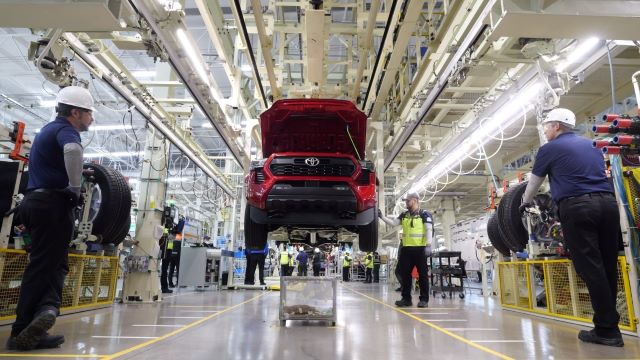
Toyota recently announced plans to invest $3.6 billion into its San Antonio, Texas manufacturing campus, bringing a significant portion of Toyota Tacoma production back to the United States while expanding domestic truck manufacturing capacity. The project is expected to create roughly 2,000 new jobs and nearly double the size of Toyota's existing Texas operation.
On the surface, this sounds like manufacturing news.
For truck enthusiasts, it's much more than that.
Every few years someone declares that pickup trucks are changing forever.
Maybe it's because EVs are coming. Maybe it's because emissions regulations are changing. Maybe it's because consumer tastes are shifting.
Yet manufacturers continue investing billions of dollars into truck production. That's not something you do unless you're confident people will keep buying trucks.
Toyota already builds the Tundra and Sequoia in San Antonio. Expanding that campus to include more Tacoma production isn't just about moving assembly lines. It's a long-term commitment to one of the most competitive truck segments in North America.
That's good news for anyone who loves trucks because it means manufacturers still see pickups as a cornerstone of their business, not just another vehicle in the lineup.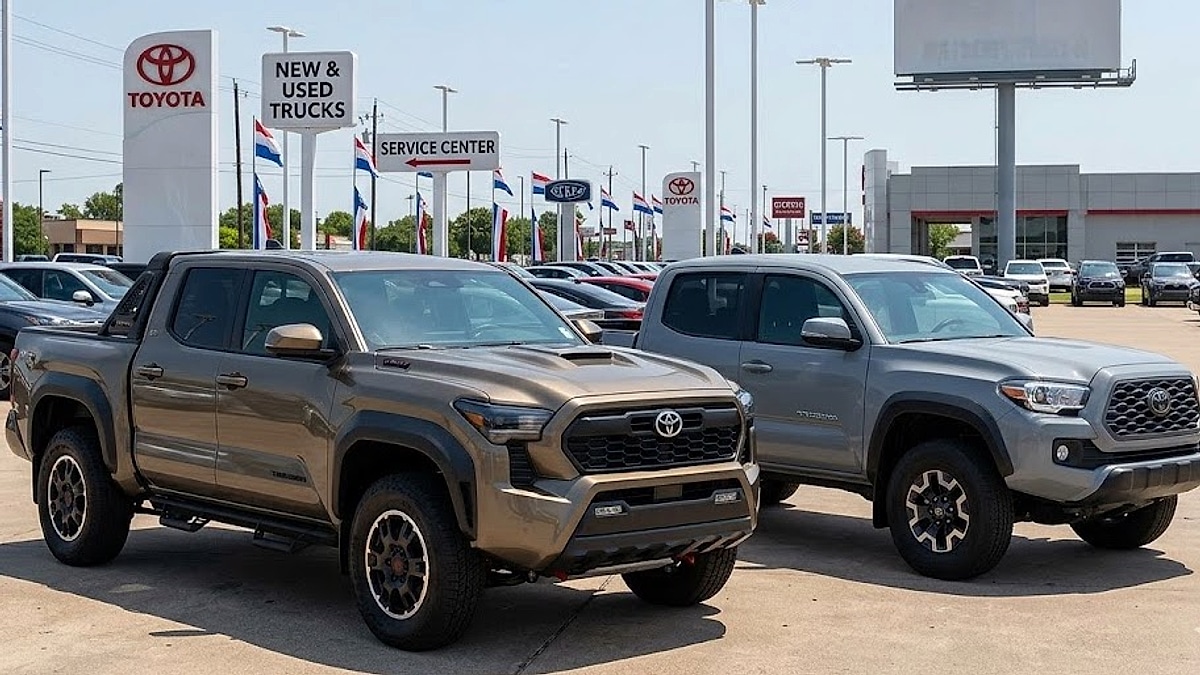
The midsize truck segment has changed dramatically over the last decade.
Not long ago, midsize pickups were viewed as practical alternatives to full-size trucks.
Today they're legitimate adventure platforms. They're daily drivers. They're overland builds. They're tow rigs for small campers and boats. They're trail rigs that still fit in the garage.
The fourth-generation Tacoma has only accelerated that trend, and demand has remained incredibly strong. Toyota's latest investment signals that they expect that demand to continue well into the next decade.
At BuiltRight Industries, we naturally look at news like this through a different lens.
When more Tacomas hit the road, more owners start making them their own.
Some people add lighting.
Others install rooftop tents or recovery gear.
Some simply want a better way to organize the bed so their tools, camping equipment, or work gear stay secure and accessible.
Every truck eventually becomes personal.
That's one of the things we love most about this industry. No two builds are exactly alike.
The factory builds the platform.
Owners build the truck.
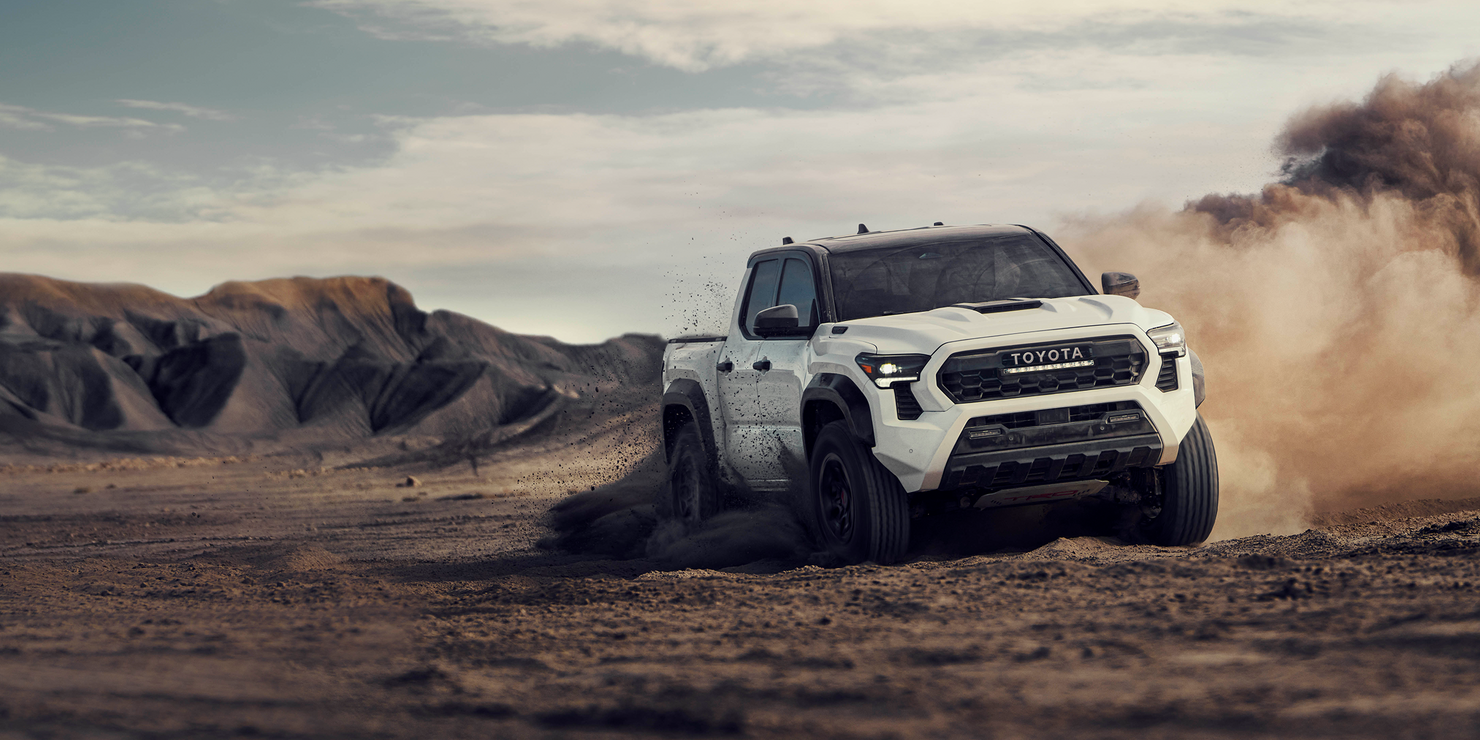
Factory trucks have become incredibly capable.
Modern Tacomas leave the dealership with more technology, more off-road capability, and better engineering than ever before.
But manufacturers have to design for millions of customers.
The aftermarket gets to design for your truck.
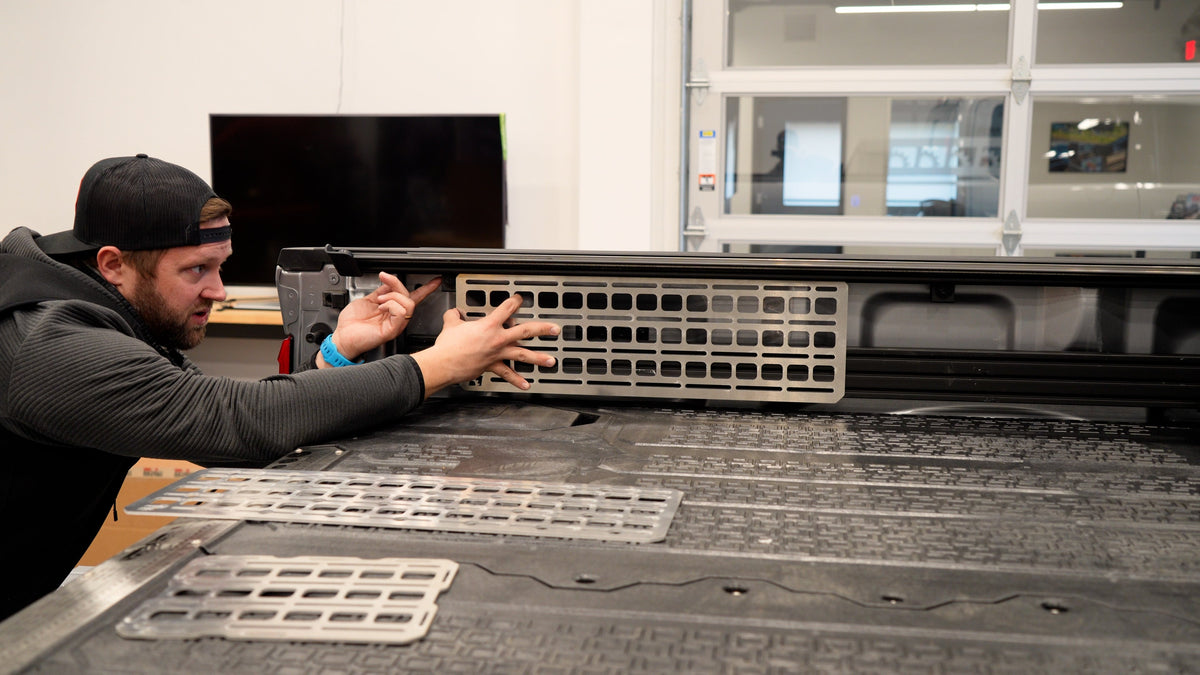
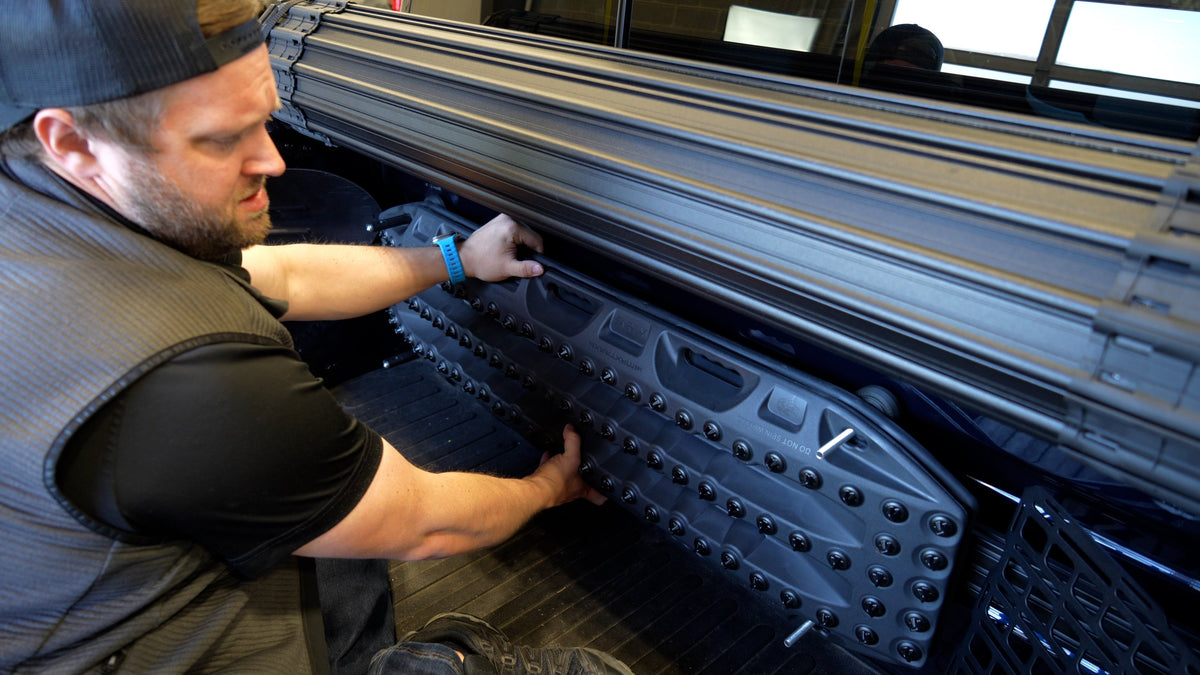
Whether that means adding a Bedside Accessory Rail, a Bedside Rack MOLLE Panel, secure recovery gear storage, or simply organizing equipment so it's ready when you need it, customization is what turns a pickup into something uniquely yours.
That's why we don't see factory improvements as competition.
We see them as an opportunity.
Every new truck sold is another owner looking for smarter ways to use it.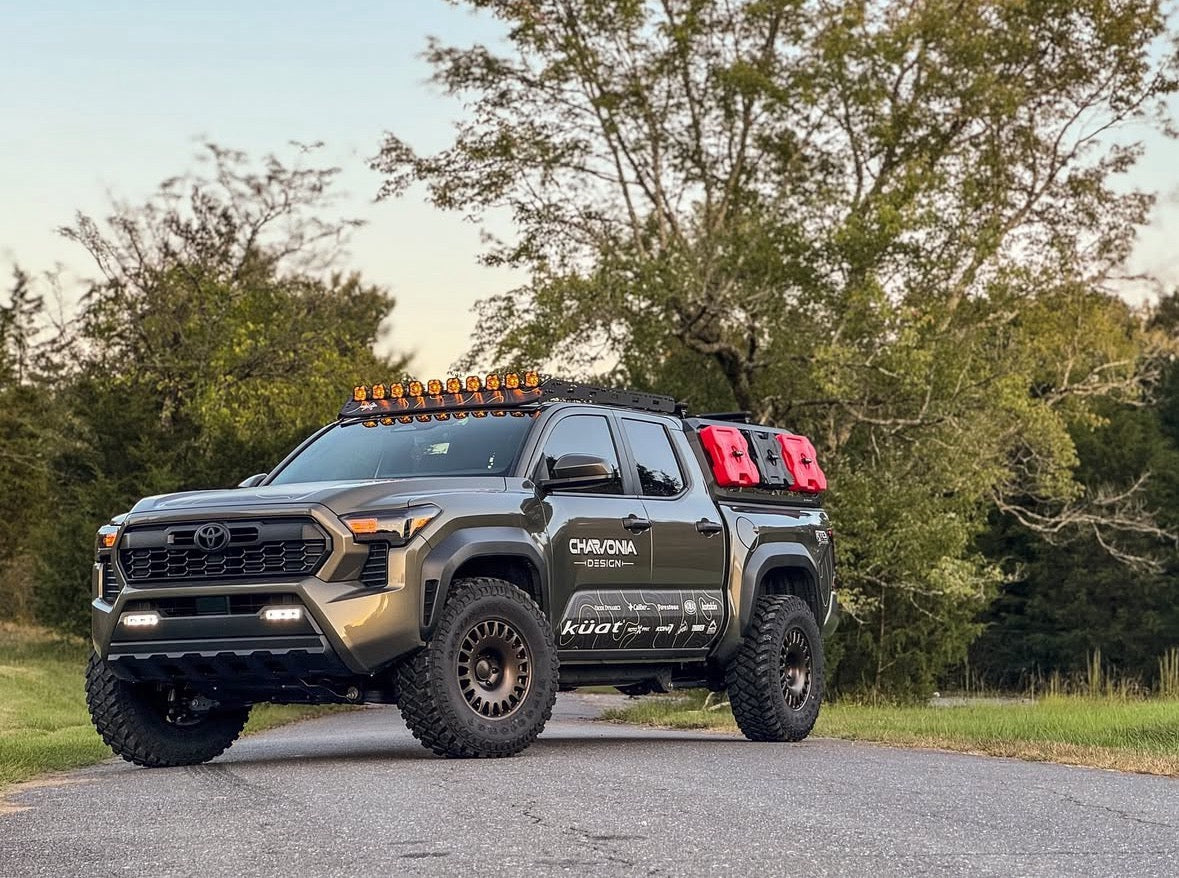
Toyota's investment won't bring Tacoma production online overnight. The expansion is expected to be completed later this decade, but the announcement says something important about where the truck market is headed.
Manufacturers aren't slowing down.
They're doubling down.
For truck owners, that means more choices, more innovation, and more platforms worth building.
For companies like BuiltRight Industries, it means continuing to engineer products that help those owners get more out of every mile, every trail, every job site, and every adventure.
And honestly, that's the kind of truck news we can get behind.
A Fourth of July Thank You from BuiltRight Industries
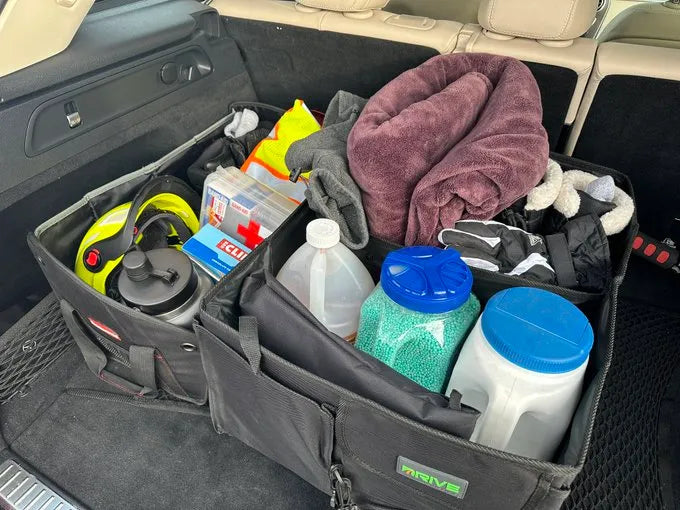
Why Today's Trucks Need Better Organization